
News
SP-Ultra 4LF: Shelf Life Test
Tim Gilbert
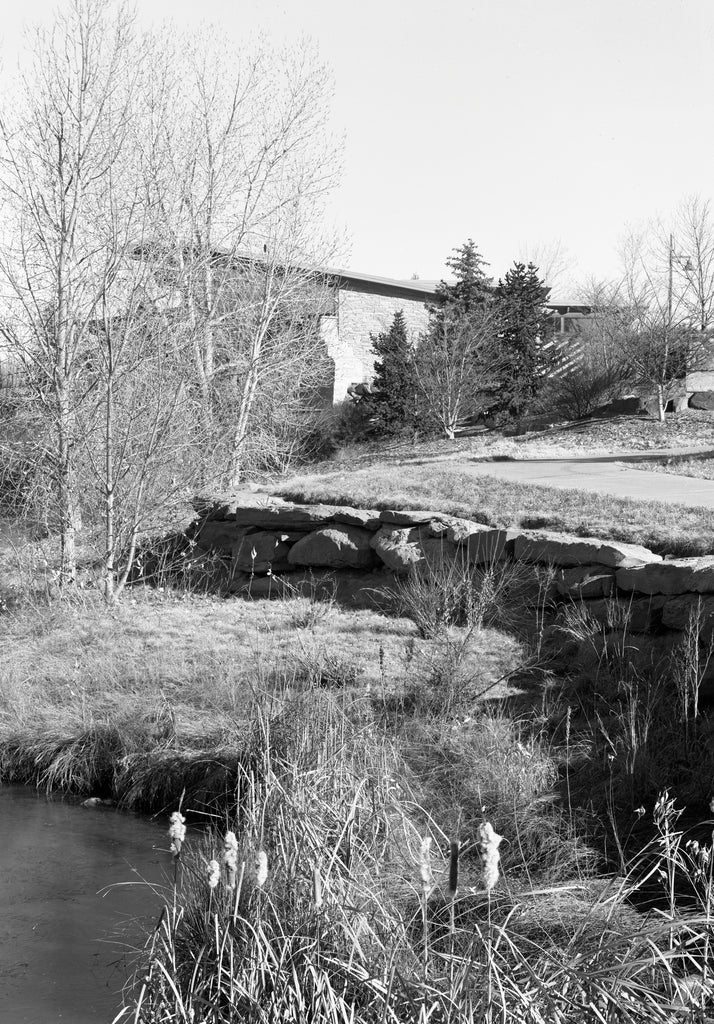
People have asked about the shelf life of our SP-Ultra 4LF. It's a fair question. Our accelerated testing indicated it should be good for at least six months. But frankly, we didn't really know. So we mixed up a batch and left on the shelf in our darkroom. It's just been sitting there waiting at room temperature for the last five months. Here's a shot we processed with it today: (Kodak Tri-X 320; 5x7, shot at ISO 400; processed 1+9, 6:30, 68F, agitation: 30+10/60 in the SP-8x10 tray.) It may not be on par with Ansel but it proves that...
Rocking the Boat: Agitation and the SP-8x10
Tim Gilbert
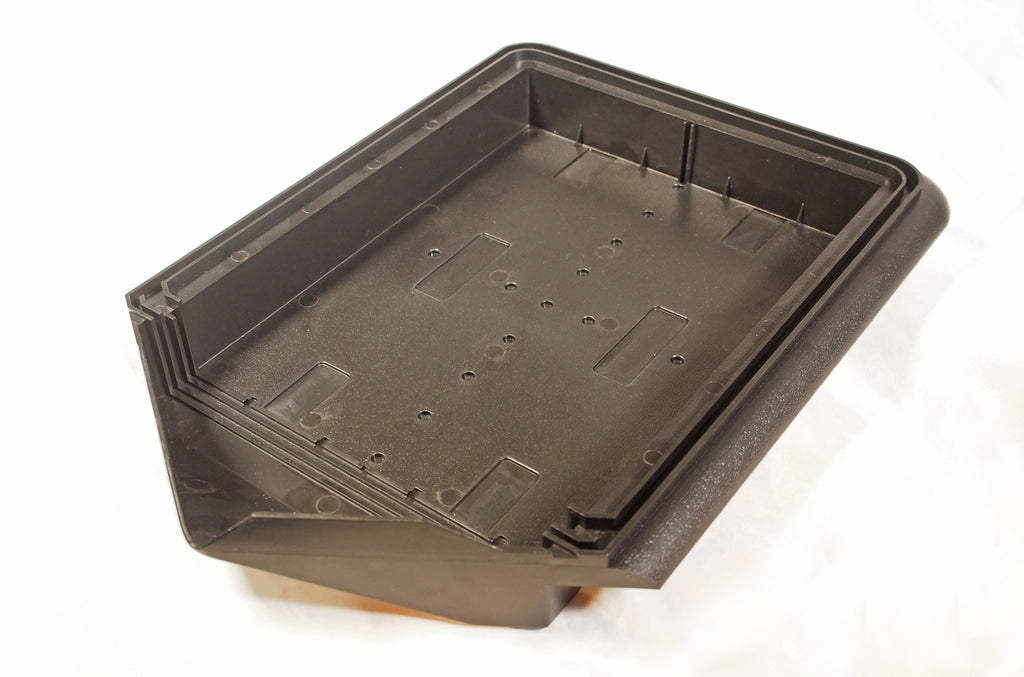
Agitation is often treated as a complicated and mysterious function that a photographer can only master after countless hours of trial and error. Frankly, agitating the SP-8x10 is so simple that it confuses people. Follow these three guidelines and you should get perfect negatives every time: First, be sure to presoak. This has nothing to do with preparing the emulsion for processing and everything to keeping the film flat. "Taco" the film (curl it emulsion side in like a taco) for ten seconds before placing it in the tray. This lets the water get under it faster. Once loaded and...
Solved: Blotches of Despair! (well, mostly solved)
Tim Gilbert
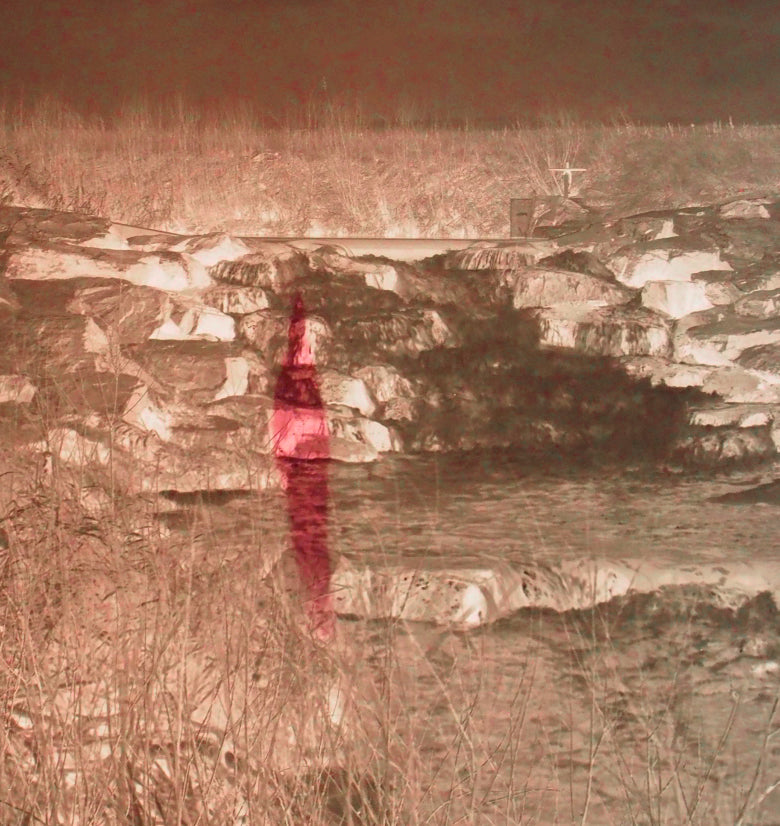
After introducing our Rev 2 film holders, we started getting occasional reports of "blotches" on the film that matched up with the vertical bars of the film holder. (About 3% of users reported it.) Here's a sample (we played with the tint in photoshop to make it more visible): Some users also reported that the film was "stuck" to the holder and had to be pried off. Over time, we discovered that there were, in fact, two radically different defects being reported: 1. If the blotches are black or dark gray, then most likely the negative was loaded in backwards...
A Black and White view of Gray Cards...
Tim Gilbert
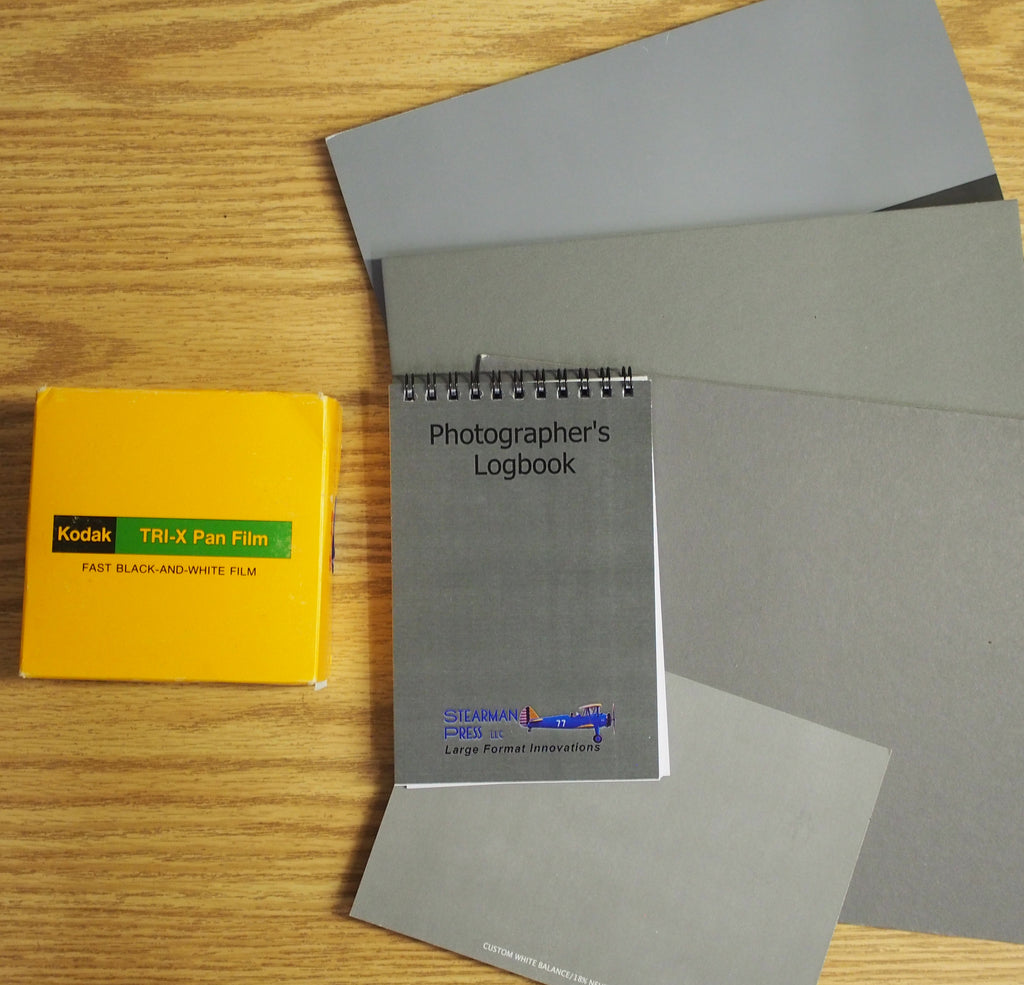
We're pretty sure that everyone reading this knows about gray cards and how to use them; so we'll skip the introduction. (If not, there are thousands of YouTube videos available, some even get it right.) So when we designed the Photographer's Logbook (available here), it only made sense to make the cover a standard 18% gray card. Turns out that's easier said than done, most print shops have no idea what "18% gray" means or how to reproduce it. Actually, the first problem was determining true 18% gray. We've got a bunch of gray cards from different manufacturers and none...
SP-ultra LF: a developer optimized for large format film
Tim Gilbert
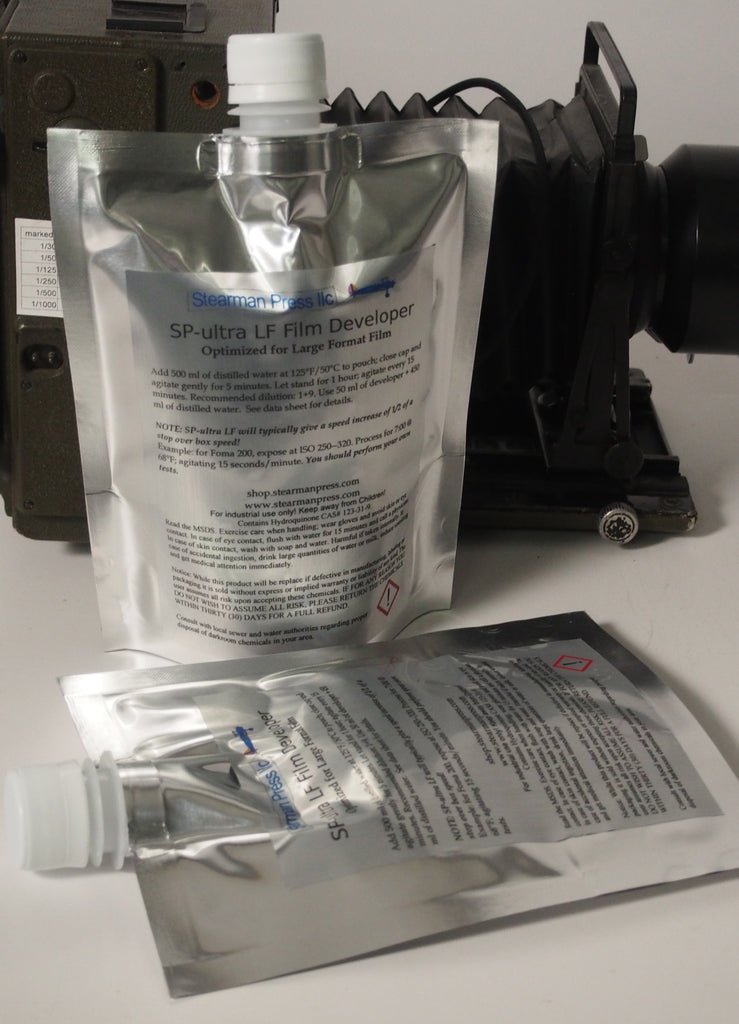
"Every film developer manufactured in the last 80 years has been optimized for 35 mm film." Okay, there are a few exceptions but for the most part, it's true. We won't spend any time defending our thesis; frankly, it really doesn't matter. What does matter is that we decided that the world needed a new film developer optimized for large format film.We started with three objectives:First, it needed to be optimized for large format negatives. Yeah, that's whole point but what does that mean? Mainly, we don't need super fine grain (a major issue with 35 mm); instead, we want...